
- ABOUT US
-
PRODUCTS
Biomass Boiler
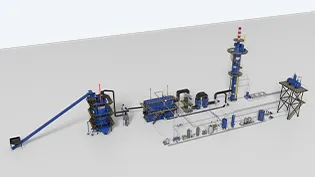
Biomass Gasification Steam Boiler
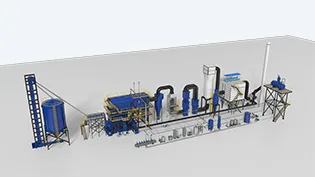
Biomass-fired Chain Grate Steam Boiler
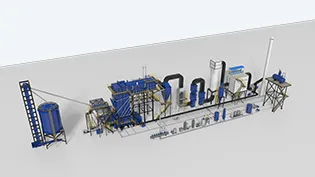
Biomass-fired Reciprocating Grate Steam Boiler
Thermal Oil Heater
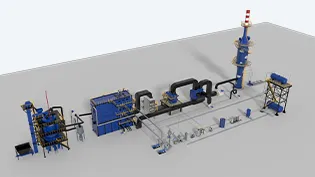
Biomass Gasification Thermal Oil Heater
Biomass-fired Chain Grate Thermal Oil Heater
Biomass-fired Reciprocating Grate Thermal Oil Heater
- INDUSTRIES
- OUR SOLUTIONS
- 360° TOUR
- MEDIA CENTER
- CONTACT
- POWERMAX-GROUP
language


 Back
BackBiomass Boiler Technology: 3 Main Combustion Methods Explaine
Biomass Boiler Technology: 3 Main Combustion Methods Explained
As the world moves toward cleaner energy, biomass is becoming a popular renewable option. Biomass boilers are at the heart of this technology. Choosing the right boiler type affects efficiency, cost, and environmental impact. This article breaks down the three main biomass combustion methods: suspension firing, fluidized-bed combustion, and grate firing.
Suspension Firing
How it works: Biomass is ground into a fine powder and blown into the boiler with air. It burns like gas.
Key benefits:
- Highest efficiency
- Good for large power plants
- Quick response to load changes
- Uses proven coal technology
Challenges:
- High grinding energy needed
- Non-uniform particle shapes make burning less predictable
- Fuel must be dry and finely ground, and works best with high-quality fuels like wood pellets.
Fluidized-Bed Firing
How it works: Fuel burns on a bed of sand particles suspended by air from below.
Two types: Bubbling Fluidized Bed (BFB) and Circulating Fluidized Bed (CFB).
Key benefits:
- Handles many fuel types
- Works with wet fuels
- Low pollution
- Even heat distribution
Challenges:
- Sand causes wear and tear
- May need more maintenance
- Uses more power for air supply
Grate Firing
How it works: Fuel moves across a rolling or vibrating grate. Air comes from below to burn the fuel.
Key benefits:
- Burns almost any solid fuel
- Simple design
- Easy maintenance
- Good for waste fuels
Challenges:
- Lower efficiency
- Produces more ash
- Better for smaller operations
Technology Comparison Table
Beyond the Boiler
A full biomass system includes: fuel storage and handling, preparation equipment, emission controls, and ash management.
Why Choose Biomass?
- ✓ Carbon neutral: Releases only the CO₂ the plants absorbed
- ✓ Uses waste: Turns agricultural and industrial waste into energy
- ✓ Creates jobs: Supports local economies
- ✓ Energy independence: Reduces need for imported fuels
Premium Biomass Boiler Solutions
Our Advanced Product Lineup
Biomass Gasification Steam Boiler Series

- ✓ Model Range: SZL8 to SZL35
- ✓ Capacity: 8-35 tons/hour steam output
- ✓ Thermal Power: 5.6-25 MW
- ✓ Key Advantages: ≥91% design efficiency, negative pressure combustion technology, wide fuel compatibility, modular structure, fully automatic control system.
Biomass-Fired Chain Grate Steam Boiler Series

- ✓ Model Range: SZL8 to SZL35
- ✓ Capacity: 8-35 tons/hour steam output
- ✓ Thermal Power: 5.6-25 MW
- ✓ Key Advantages: ≥88% design efficiency, handles biomass with 10-50% moisture content, suitable for low calorific value fuels (2300-4000 Kcal/h), robust design, easy maintenance access.
Biomass-Fired Reciprocating Grate Steam Boiler Series
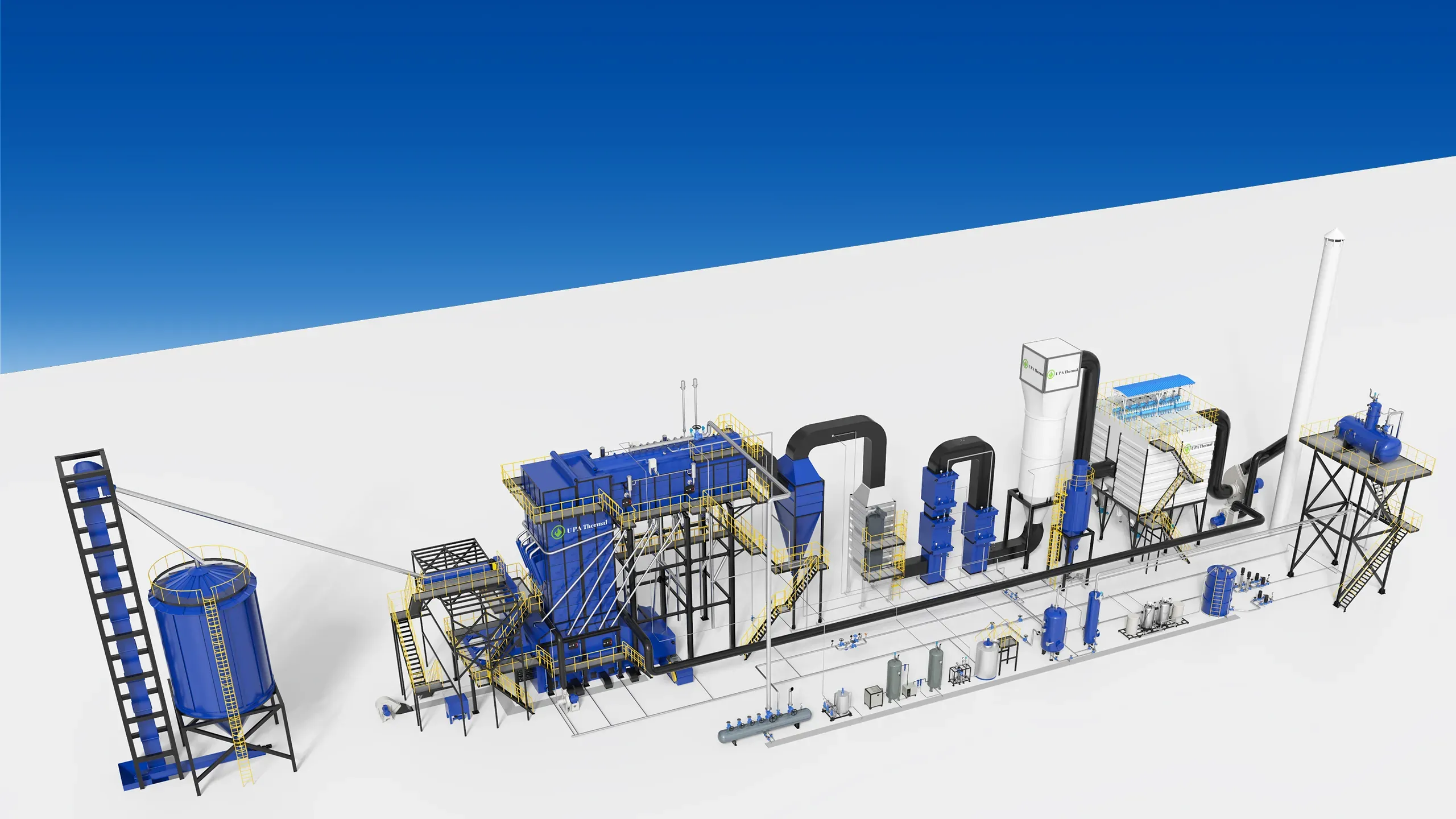
- ✓ Model Range: SZL8 to SZL35
- ✓ Capacity: 8-35 tons/hour steam output
- ✓ Thermal Power: 5.6-25 MW
- ✓ Key Advantages: ≥88% design efficiency, excellent for difficult and heterogeneous fuels, reciprocating grate ensures complete combustion, handles various biomass sizes (30-50mm equivalent diameter), reliable performance.
Biomass Gasification Thermal Oil Heater

- ✓ Model Range: YLW-4100SII to YLW-25000SII
- ✓ Heating capacity: 350-2200 × 10⁴ Kcal/h
- ✓ Thermal power: 4.1-25 MW
- ✓ Design pressure: 1.1 MPa
- ✓ Maximum operating temperature: 320°C
- ✓ Medium circulation volume: 260-1300 m³/h
- ✓ Design efficiency: 85.5-88%
- ✓ Applicable fuel: Biomass gas, low calorific value 1280 Kcal/h.
Biomass-Fired Chain Grate Thermal Oil Heater

- ✓ Model Range: YLW-4100SII to YLW-25000SII
- ✓ Heating capacity: 350-2200 × 10⁴ Kcal/h
- ✓ Thermal power: 4.1-25 MW
- ✓ Design pressure: 1.1 MPa
- ✓ Maximum operating temperature: 320°C
- ✓ Medium circulation volume: 260-1300 m³/h
- ✓ Design efficiency: 85.5-88%
- ✓ Applicable fuel: Biomass gas, low calorific value 1280 Kcal/h.
Biomass-Fired Reciprocating Grate Thermal Oil Heater

- ✓ Model Range: YLW-4100SII to YLW-25000SII
- ✓ Heating capacity: 350-2200 × 10⁴ Kcal/h
- ✓ Thermal power: 4.1-25 MW
- ✓ Design pressure: 1.1 MPa
- ✓ Maximum operating temperature: 320°C
- ✓ Medium circulation volume: 260-1300 m³/h
- ✓ Design efficiency: 85.5-88%
- ✓ Applicable fuel: Biomass gas, low calorific value 1280 Kcal/h.
The Bottom Line
Each biomass technology has its strengths:
- Pick suspension firing for high efficiency with good fuels.
- Choose fluidized-bed for mixed or wet fuels.
- Use grate firing for low-quality or waste fuels.
The right choice depends on your fuel type and operational needs. As technology improves, biomass continues to offer a sustainable path toward cleaner energy.

Tailored Solutions, Timeless Service——
We Keep Your Operations Running
Contact US
Product Information
Quantity
Unit
Piece
Support order samples, customization, wholesale direct, and complete payment. If the product you look for does not have corresponding customized content, pls fill out the form below to contact us, and we will reply ASAP.