
- ABOUT US
-
PRODUCTS
Biomass Boiler
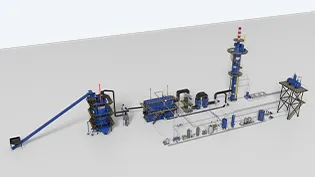
Biomass Gasification Steam Boiler
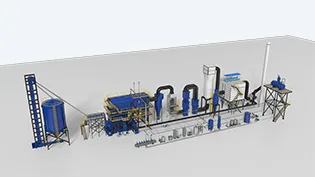
Biomass-fired Chain Grate Steam Boiler
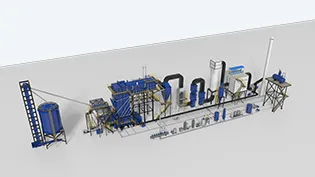
Biomass-fired Reciprocating Grate Steam Boiler
Thermal Oil Heater
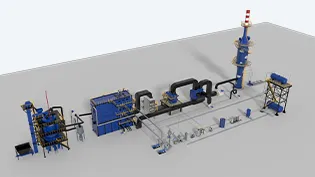
Biomass Gasification Thermal Oil Heater
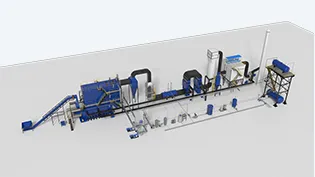
Biomass-fired Chain Grate Thermal Oil Heater
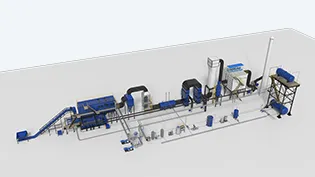
Biomass-fired Reciprocating Grate Thermal Oil Heater
- INDUSTRIES
- OUR SOLUTIONS
- 360° TOUR
- MEDIA CENTER
- CONTACT
- POWERMAX-GROUP
language


 Back
BackThermal Oil Boiler vs Steam Boiler: Differences in Cost, Efficiency and Industrial Applications
Choosing between a steam boiler and a thermal oil boiler is a critical decision for industrial heating systems. A steam boiler system delivers fast heat transfer using high-pressure steam, while a thermal oil boiler system provides stable high-temperature heat at lower pressure. These differences directly affect cost, efficiency, and safety. In this guide, we break down steam boiler vs thermal oil boiler to help you choose the right solution for your application.
What Is a Steam Boiler and How It Works
A steam boiler is used to generate steam for industrial processes that require reliable and fast heat transfer. In a typical steam boiler system, water is heated in a closed vessel until it turns into steam, which is then distributed through pipelines to support operations such as heating, drying, and sterilization.
In many applications, a biomass steam boiler replaces fossil fuels by using materials like wood chips, rice husk, or straw as the energy source. By integrating biomass combustion or gasification, these systems can deliver stable steam while reducing fuel costs and emissions, making them a practical choice for industries looking for more sustainable heating solutions.
Biomass Gasification Steam Boiler Flow Chart
What Is a Thermal Oil Boiler and How It Works
A thermal oil boiler is used to deliver high-temperature heat through a circulating heat transfer fluid instead of steam. In a typical thermal oil boiler system, the fluid is heated inside the heater and then pumped through a closed loop to transfer energy to reactors, dryers, heat exchangers, and other process equipment. Compared with steam-based heating, it can provide stable high-temperature output at lower operating pressure. In applications, a biomass thermal oil boiler uses fuels such as wood chips, rice husk, and other solid biomass, with gasification, chain grate, or reciprocating grate configurations available for different fuel conditions.
Biomass Gasification Thermal Oil Heater Flow Chart
Differences Between Steam Boiler and Thermal Oil Boiler
The main difference between a steam boiler and a thermal oil boiler lies in temperature range, pressure requirements, and the type of heat needed for the process.
| Aspect | Steam Boiler | Thermal Oil Boiler |
| Heat Medium | Steam (water converted to vapor) | Thermal oil (liquid heat transfer fluid) |
| Operating Pressure | High pressure required | Low pressure operation |
| Temperature Range | Typically up to 180–250°C | Can reach 300°C+ |
| Heat Transfer | Fast heat transfer | Stable and continuous heating |
| Efficiency | Higher real-world efficiency | Higher combustion efficiency |
| Maintenance | Requires water treatment and steam management | Simpler system with closed-loop circulation |
| Safety | Higher risk due to pressure | Lower risk with low-pressure operation |
| Applications | Food processing, textiles, sterilization | Chemical processing, asphalt, drying |
Cost Comparison: Steam Boiler vs Thermal Oil Boiler
The initial investment for a steam boiler and a thermal oil boiler is generally comparable, although a thermal oil boiler system is often slightly simpler and may cost less to install. A complete steam boiler system usually requires additional equipment such as water treatment units, condensate recovery, and steam distribution pipelines, which can increase overall project cost, especially for larger industrial steam boiler installations.
When it comes to operating costs, both systems have different cost drivers. A steam boiler requires continuous water treatment, blowdown, and system monitoring, which adds to maintenance and chemical costs. A thermal oil boiler, on the other hand, eliminates water treatment but requires periodic replacement of the heat transfer oil and may have slightly lower thermal efficiency in some cases. In practice, the total cost depends on the application, fuel type, and operating conditions, so choosing between a steam boiler and a thermal oil boiler should be based on the specific process requirements rather than equipment price alone.
Efficiency Comparison: Which System Saves More Energy
Energy efficiency depends on how effectively heat is transferred and retained within the system. A steam boiler can achieve high thermal efficiency because steam carries significant latent heat and transfers energy rapidly during condensation. Well-designed steam boiler systems can reach high combustion efficiency, but overall system efficiency may be affected by blowdown losses, steam leakage, and heat loss in the distribution network if not properly controlled.
A thermal oil boiler operates with a closed-loop thermal oil boiler system, which reduces heat loss associated with phase change and steam handling. Since there is no need for blowdown or condensate recovery, energy utilization remains stable during continuous operation. While the combustion efficiency of a thermal oil boiler may be slightly lower in some configurations, its consistent heat delivery and reduced system losses can result in reliable overall energy performance, especially in processes requiring long-duration, high-temperature heating.
Industrial Applications: Which Boiler Fits Your Industry
A steam boiler is best suited for industries that rely on process steam for heat transfer or direct use in production. In a typical industrial steam boiler application, steam is used for sterilization, cleaning, drying, and heating, making it widely adopted in sectors such as food processing, textiles, pharmaceuticals, and chemicals. These processes require fast heat transfer and consistent steam supply, which a well-designed steam boiler system can provide.
A thermal oil boiler is more suitable for applications that require stable, high-temperature heating without using steam. In a thermal oil boiler system, heat is delivered through circulating oil, making it ideal for industries such as asphalt production, chemical processing, wood processing, and material manufacturing. For processes that need continuous heating at higher temperatures with stable control, a thermal oil boiler offers a reliable and practical solution.
Safety Comparison: Pressure, Temperature and Operational Risks
When it comes to safety, the main concern with a steam boiler is pressure. Steam is generated under high pressure, so the system must be carefully controlled and regularly inspected. Issues like pressure imbalance, low water level, or leakage can increase operational risk, which is why steam systems typically require stricter safety management.
A thermal oil boiler works differently. It delivers heat through circulating oil at much lower pressure, which reduces the risks associated with high-pressure steam. At the same time, it still requires proper control of temperature and fluid condition to avoid overheating. In practice, both systems are safe when designed and operated correctly, but they involve different types of operational risks that should be considered during system selection.
Why Choose UPA Thermal for Biomass Boiler Solutions
Choosing the right supplier is as important as selecting the right system. UPA Thermal focuses on delivering complete biomass boiler solutions tailored to different fuels and industrial needs. Whether you require a biomass steam boiler or a thermal oil boiler, UPA Thermal can be configured with gasification, chain grate, or reciprocating grate technology to match fuel characteristics such as wood chips, rice husk, or agricultural residues.
● Flexible Fuel Options and System Configurations
UPA Thermal provides biomass boiler solutions that support a wide range of fuels, including wood chips, rice husk, and other agricultural residues. With multiple configurations such as gasification and grate systems, UPA Thermal can be adapted to different fuel conditions and project requirements.
● Low Emissions with Stable and Efficient Performance
Each biomass steam boiler and thermal oil boiler is designed for clean combustion, high thermal efficiency, and stable heat output. This helps ensure reliable operation while meeting environmental and energy performance expectations.
● Easy Installation, Operation, and Maintenance
With a modular design and automated control system, UPA Thermal equipment is easier to install and operate. The structure also allows convenient inspection and maintenance, helping reduce downtime and simplify daily management.
Conclusion: Steam Boiler or Thermal Oil Boiler
Choosing between a steam boiler and a thermal oil boiler ultimately depends on how heat is used in your process. A steam boiler system is ideal for applications that require steam for heating, sterilization, or rapid heat transfer, while a thermal oil boiler system is better suited for continuous, high-temperature heating with stable control. Understanding your temperature requirements, pressure conditions, and production needs is key to making the right choice.
UPA Thermal focuses on designing and manufacturing high-quality boiler systems. Whether you choose a steam boiler or a thermal oil boiler, our team provides practical guidance and support to help you select the right solution for your application.

Tailored Solutions, Timeless Service——
We Keep Your Operations Running
Contact US
Product Information
Quantity
Unit
Piece
Support order samples, customization, wholesale direct, and complete payment. If the product you look for does not have corresponding customized content, pls fill out the form below to contact us, and we will reply ASAP.