
- ABOUT US
-
PRODUCTS
Biomass Boiler
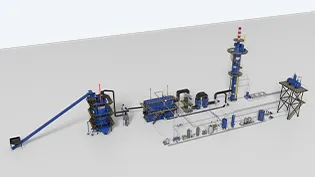
Biomass Gasification Steam Boiler
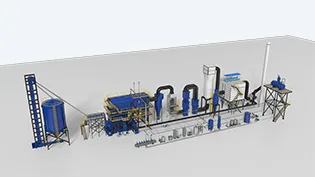
Biomass-fired Chain Grate Steam Boiler
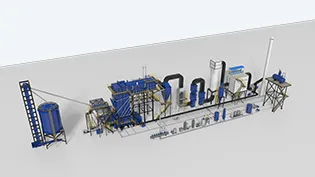
Biomass-fired Reciprocating Grate Steam Boiler
Thermal Oil Heater
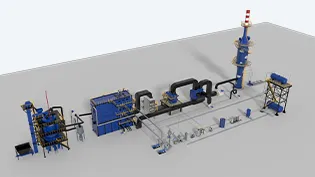
Biomass Gasification Thermal Oil Heater
Biomass-fired Chain Grate Thermal Oil Heater
Biomass-fired Reciprocating Grate Thermal Oil Heater
- INDUSTRIES
- OUR SOLUTIONS
- 360° TOUR
- MEDIA CENTER
- CONTACT
- POWERMAX-GROUP
language


 Back
BackSteam Boiler for Rice Mill: Industrial Rice Husk Fired Boiler Solutions
In modern rice processing, a reliable rice mill steam boiler plays a central role in supplying the heat needed for soaking, parboiling, drying, and other steps. For many plants, choosing the right steam boiler for rice mill operations is not only about stable steam output, but also about fuel cost, system efficiency, and long-term operating performance. In regions where rice husk is readily available, a rice husk fired boiler can help mills turn agricultural waste into energy while supporting more efficient production.
How Steam Is Used in Rice Mill Processing
In a rice mill, steam is used at several key stages, and it has a direct impact on both rice quality and production efficiency. A rice mill steam boiler supplies the heat needed for processes such as soaking, parboiling, and drying. During parboiling, steam helps improve grain hardness and can reduce the rate of broken rice. Steam is also important in the drying stage, where steady heat helps lower moisture content in a more controlled way. This is why the right steam boiler for rice mill operations matters not only for heat supply, but also for stable processing and consistent final product quality.
Why Rice Mills Choose Rice Husk Biomass Boiler
In a rice mill, rice husk is generated in large quantities during processing. By using a rice husk biomass boiler, mills can use this by-product directly as fuel for steam generation rather than treating it only as waste. This approach helps reduce disposal pressure, makes better use of available biomass resources, and supports more practical plant operation.
A rice husk boiler system can supply stable steam for soaking, parboiling, and drying, which are all important steps in rice processing. For rice mills, stable heat supply also helps keep production steady. UPA Thermal provides industrial biomass steam boiler solutions that can be used with rice husk and other biomass fuels, giving rice mills a more suitable steam system for daily operation.
Key Features of Rice Husk Fired Boiler
UPA Thermal provides industrial biomass steam boiler solutions designed for solid fuels such as rice husk. Its chain grate boiler system is commonly used in rice mills where stable steam supply are important for daily operation.
Efficient Use of Rice Husk to Reduce Fuel Costs
A rice husk fired boiler allows rice mills to use their own by-products as fuel instead of relying fully on external energy sources. This reduces fuel cost and simplifies waste handling. Compared with traditional fuels, rice husk can be fed directly into the system, making it a practical option for mills in rice-producing regions.
Stable Steam for Continuous Processing
In rice processing, steam demand is continuous and closely linked to soaking, parboiling, and drying. A well-designed rice husk boiler system can maintain steady steam output under varying load conditions. This helps keep production stable and reduces the risk of process interruptions.
High Efficiency with Reliable Operation
The rice husk biomass boiler is designed to achieve high thermal efficiency while maintaining stable combustion. With proper control of temperature and pressure, the system can convert biomass fuel into usable steam more effectively, which is important for long-term operating cost and plant performance.
Flexible Design and Easy Maintenance
An industrial biomass steam boiler with a modular structure can simplify installation and reduce on-site construction work. At the same time, a practical design for inspection and maintenance helps reduce downtime, which is critical for rice mills that operate on a continuous schedule.
How the Industrial Biomass Steam Boiler System Works
Fuel Feeding and Combustion
In a rice mill, rice husk can be used directly as boiler fuel. In an industrial biomass steam boiler, the husk is stored in a silo and fed into the furnace through a conveying system. In a rice husk fired boiler, the fuel burns on a chain grate, allowing stable combustion under continuous operation.
Heat Transfer and Steam Generation
The heat from combustion is used to generate steam inside the boiler. This steam is supplied to key stages such as soaking, parboiling, and drying. In a rice mill steam boiler, stable heat transfer is important to keep these processes running consistently.
Flue Gas Treatment and Heat Recovery
Flue gas passes through systems such as cyclones, economizers, and dust collectors. These units remove particles and recover heat before discharge. For a steam boiler for rice mill, this helps improve efficiency and meet emission requirements.
Water Treatment and Boiler Circulation
Feedwater is treated through softening and deaeration before entering the boiler. This helps reduce scaling and corrosion. A stable water system supports reliable operation of the rice husk boiler system, especially in mills that run continuously.
Rice Mill Steam Boiler Price: Cost Range and Key Factors
The price of a rice mill steam boiler varies based on capacity, configuration, and project requirements. For reference, a small to mid-scale steam boiler for rice mill typically ranges from USD 30,000 to USD 300,000, while larger industrial biomass steam boiler systems can cost more depending on system complexity.
Boiler Capacity and Pressure
Boiler capacity is the main factor affecting price. A higher steam output requires a larger furnace and more heat exchange surfaces. This directly increases the cost of a rice mill steam boiler, especially for high-pressure industrial applications.
Fuel System and Boiler Design
A rice husk fired boiler usually includes fuel feeding, combustion, and ash handling systems. The design of the chain grate and the ability to handle different biomass fuels will influence both performance and price.
System Configuration and Automation
A basic rice husk biomass boiler may include only core components, while a complete system can include economizers, dust collectors, and automatic control systems. Higher automation improves operation but also increases initial investment.
Customized Solutions from UPA Thermal
UPA Thermal provides tailored rice husk boiler solutions based on rice mill capacity, fuel conditions, and local requirements. In most cases, the final price is determined after technical evaluation to ensure the system fits both production needs and long-term operating cost.
How to Choose the Right Steam Boiler for Your Rice Mill
Choosing the right steam boiler for rice mill operations starts with understanding your actual production needs. The boiler should match your process, fuel conditions, and daily operation, rather than just focusing on specifications.
Define Your Steam Demand
The first step is to estimate how much steam your rice mill requires for soaking, parboiling, and drying. A properly sized biomass steam boiler helps avoid unstable production or unnecessary energy use.
Choose the Right Fuel Solution
In most rice mills, rice husk is the most practical fuel. A rice husk fired boiler allows you to use on-site biomass directly, reducing fuel cost and simplifying supply. Fuel quality and moisture should also be considered when selecting the system.
Evaluate System Configuration
A complete rice husk boiler system should include fuel feeding, combustion, heat recovery, and emission control. The right configuration depends on local regulations and plant layout.
Focus on Efficiency and Operation Stability
A reliable industrial biomass steam boiler should provide stable steam output under continuous operation. Efficiency, control systems, and ease of maintenance all affect long-term performance and operating cost.
Conclusion
A well-matched rice mill steam boiler is essential for stable production and consistent rice quality. A properly designed rice husk fired boiler can improve fuel utilization while supporting continuous processing in daily operation.
UPA Thermal provides tailored biomass steam boiler solutions for rice mills based on actual operating conditions. With a focus on system design, fuel compatibility, and long-term reliability, each boiler system is configured to match production needs and support efficient operation over time.

Tailored Solutions, Timeless Service——
We Keep Your Operations Running
Contact US
Product Information
Quantity
Unit
Piece
Support order samples, customization, wholesale direct, and complete payment. If the product you look for does not have corresponding customized content, pls fill out the form below to contact us, and we will reply ASAP.